
PNN Logging Applications for Defining Fracture Distribution in Low-Permeability Sandstones and Thin Coal Seams
Introduction
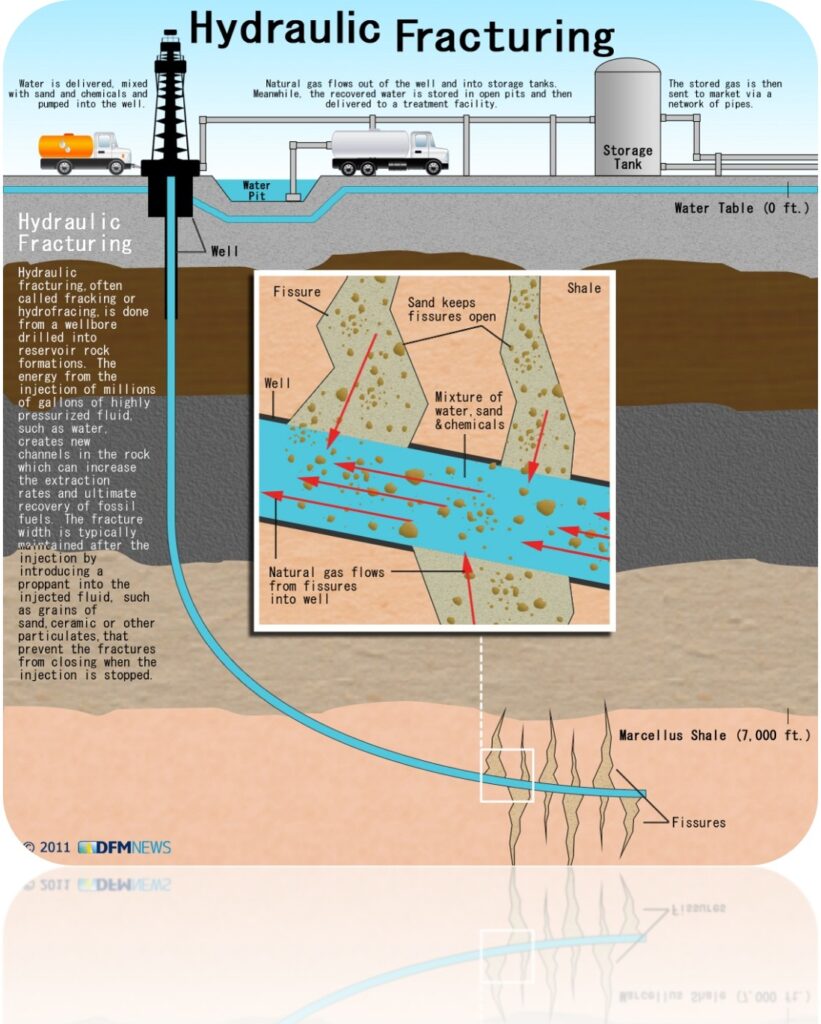
Hydraulic fracturing has become one of the most important stimulation techniques in unconventional reservoir development. The process involves injecting high-pressure fluids containing water, chemicals, and proppant particles into subsurface formations to create fractures and improve reservoir permeability. This method is widely applied in tight sandstones, shale reservoirs, carbonate formations, and coal seam gas developments.
One of the major technical challenges after hydraulic fracturing is accurately determining fracture propagation, fracture height, and proppant distribution inside the formation. Conventional temperature logging methods can provide partial indications of fracture presence, but their reliability often decreases due to thermal equilibration effects after treatment.
Pulsed Neutron-Neutron (PNN) logging offers an advanced alternative for evaluating fracture distribution and identifying proppant penetration into the reservoir. The technique enables comparison between pre-fracturing and post-fracturing measurements, allowing engineers to identify changes associated with hydraulic fracture development.
This article presents two field applications of PNN logging:
- Fracture evaluation in low-permeability sandstone reservoirs
- Fracture detection in thin coal seam formations
The presented study demonstrates how neutron-based measurements can improve post-fracturing reservoir characterization and fracture interpretation.
Fundamentals of Hydraulic Fracturing
Hydraulic fracturing is designed to increase hydrocarbon productivity by generating conductive pathways within low-permeability formations. During the treatment, a fluid mixture carrying solid particles known as proppants is pumped into the reservoir under high pressure.
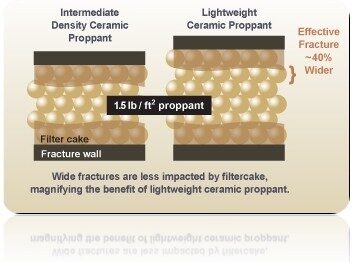
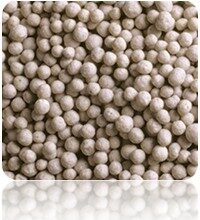
The primary purpose of the proppant is to keep the induced fractures open after pressure release. Ceramic-based proppants such as Carbo-LITE are frequently used because of their high compressive strength and long-term mechanical stability.
However, ceramic materials can be difficult to detect using conventional logging methods, particularly in heterogeneous lithologies or thin-layered reservoirs.
PNN logging provides a valuable solution because ceramic particles exhibit neutron capture characteristics that differ from the surrounding rock matrix. These differences can be identified through variations in neutron count rates and SIGMA responses.
Principles of PNN Logging in Fracture Evaluation
PNN logging measures neutron interactions within the formation and evaluates neutron capture properties associated with lithology, fluids, and introduced materials such as proppants.
The workflow generally includes:
- Baseline PNN logging before hydraulic fracturing
- Repeated logging after fracturing treatment
- Comparison of SIGMA curves
- Analysis of SSN and LSN count rates
- Interpretation of neutron response separation
The method allows identification of:
- Fracture penetration
- Proppant distribution
- Fracture height
- Reservoir stimulation effectiveness
Compared with temperature logs, PNN measurements can provide a more detailed and quantitative evaluation of fracture geometry.
Case Study 1: Low-Permeability Sandstone Reservoir
Reservoir Conditions
The first case involved a low-permeability sandstone reservoir subjected to hydraulic fracturing treatment using ceramic sand proppants.
PNN logging was performed before and after the fracturing operation to establish a baseline and identify changes related to fracture development.
PNN Response Interpretation
Analysis of the upper perforation intervals revealed a strong separation between SSN, LSN, and SIGMA curves after fracturing. This response indicated significant penetration of ceramic proppant into the formation.
In contrast, the lower perforation intervals displayed considerably weaker curve separation, suggesting reduced proppant placement and less effective fracture propagation.
The measurements demonstrated that:
- Higher curve separation corresponded to stronger fracture development
- Lower separation indicated limited fracture effectiveness
- PNN logging successfully identified fracture height variations
Temperature logs partially confirmed the stimulation effects; however, in several intervals the thermal signature became difficult to interpret due to delayed logging conditions.
Scientific Interpretation
Ceramic proppants possess enhanced neutron capture characteristics compared with standard sandstone mineralogy. These physical properties allow the PNN system to distinguish proppant-filled fractures from the surrounding formation without requiring radioactive tracers.
The study confirms that PNN logging can serve as an effective non-radioactive fracture evaluation technique in tight sandstone reservoirs.
Case Study 2: Thin Coal Seams and Associated Shale Formations
Geological Setting
The second case involved coal seam reservoirs interbedded with shale and sandstone layers. Hydraulic fracturing treatment was conducted across seven stages targeting twelve perforated intervals associated with thin coal seams.
Available well data included:
- Cement Bond Log (CBL)
- Open-hole logging suite
- Dynamic mechanical properties
- PNN measurements before and after stimulation
Lithology analysis based on neutron-density crossplots indicated predominantly shale formations with thin coal intervals.
Advanced PNN Processing Methodology
Because of the thin vertical layering and complex lithological variations, conventional comparison methods did not produce sufficiently clear fracture indicators.
Several processing approaches were therefore evaluated:
Method 1
Ratio between SIGMA curves before and after fracturing.
Method 2
Ratio between SSN/LSN responses before and after fracturing.
Method 3
Ratio between pre-fracturing SSN and post-fracturing LSN curves.
Among all approaches, Method 3 provided the most reliable indication of fracture presence and ceramic proppant distribution.
Results and Fracture Distribution Analysis
The interpreted fracture distribution showed several important observations:
- Fractures were detected not only within perforated coal seams
- Additional fracture signatures appeared within adjacent shale formations
- Temperature anomalies extended beyond perforated intervals
- The strongest temperature response occurred near the lowest perforation zone
The analysis suggested that hydraulic pressure may have generated complex fracture geometries extending outside the targeted coal seams.
Possible explanations include:
- Poor cementation quality
- Random fracture propagation into surrounding lithologies
- Formation of T-shaped fracture networks
- Statistical sensitivity of PNN measurements in thin beds
Discussion
The study highlights both the strengths and limitations of PNN logging in unconventional reservoirs.
Advantages
Accurate Fracture Height Detection
PNN measurements can define fracture distribution more precisely than temperature logs.
Non-Radioactive Detection Method
Ceramic proppants can be identified through neutron capture properties without radioactive tracers.
High Sensitivity to Reservoir Changes
Pre- and post-fracturing comparisons allow detailed stimulation analysis.
Limitations
Thin-Layer Resolution Challenges
Very thin coal seams create statistical uncertainties in neutron responses.
Complex SIGMA Interpretation
Carbo-LITE responses may not differ significantly from coal lithology under some conditions.
Cementation Effects
Poor casing cementation may influence fracture interpretation and produce misleading fracture signatures.
Future Recommendations
The study suggests that future hydraulic fracturing evaluations should include controlled calibration measurements using proppant-filled reference tanks or dedicated calibration environments.
Additional logging technologies could also improve interpretation reliability, including:
- Acoustic imaging
- Advanced temperature logging
- Microseismic monitoring
- Cross-dipole sonic analysis
Combining these methods with PNN measurements may significantly improve fracture characterization in unconventional reservoirs.
Conclusion
PNN logging demonstrates strong potential for evaluating fracture distribution in hydraulically fractured low-permeability reservoirs. The method provides valuable insight into fracture geometry, proppant penetration, and stimulation effectiveness in both sandstone and coal seam environments.
In sandstone reservoirs, PNN responses clearly identified fracture intervals and proppant placement. In thin coal seams, interpretation became more complex due to lithological variability and fracture propagation beyond perforated zones.
Despite these challenges, the study confirms that PNN logging represents a powerful tool for post-fracturing reservoir evaluation, particularly when integrated with complementary logging and reservoir characterization techniques.